The Science Behind Routine: Why Structure Matters for Mental Wellness
Mental health treatment success isn't just about finding the right medication or therapy—it's about creating a stable foundation that supports recovery every single day. Research consistently shows that individuals who maintain structured daily routines experience better mental health outcomes, reduced symptoms, and improved overall quality of life. The human brain thrives on predictability, and when we establish consistent patterns, we reduce cognitive load and create mental space for healing.
Neuroscience reveals that routine activates the brain's reward pathways, releasing dopamine that reinforces positive behaviors. For individuals managing conditions like depression, anxiety, bipolar disorder, or ADHD, this neurochemical response can be particularly powerful. Regular sleep schedules, consistent meal times, and structured medication routines help regulate circadian rhythms and stabilize mood-regulating neurotransmitters like serotonin and norepinephrine.
Beyond the biological benefits, routine provides a sense of control during times when mental health challenges can make life feel unpredictable. When you know what to expect each day—including when to take your medication—you create anchors of stability that support emotional regulation. This structure becomes especially critical during difficult periods when motivation is low and decision-making feels overwhelming. A well-established routine removes the need to make constant choices, conserving mental energy for recovery and wellness activities.
Breaking the Cycle: How Medication Reminders Combat Treatment Nonadherence
Medication nonadherence remains one of the most significant barriers to successful mental health treatment, with studies indicating that 40-60% of patients don't take their psychiatric medications as prescribed. The consequences are substantial: increased hospitalizations, symptom relapse, reduced quality of life, and higher healthcare costs. Unlike medications for acute conditions, mental health treatments often require weeks or months to show full benefits, making consistency absolutely essential.
The reasons for nonadherence are complex and multifaceted. Forgetfulness ranks among the top causes, particularly for individuals managing cognitive symptoms like brain fog, attention difficulties, or memory problems associated with their conditions. Side effects, lack of immediate symptom relief, and the stigma surrounding mental health medication also contribute to inconsistent use. Additionally, complex medication schedules—especially when multiple prescriptions are involved—can overwhelm even the most organized individuals.
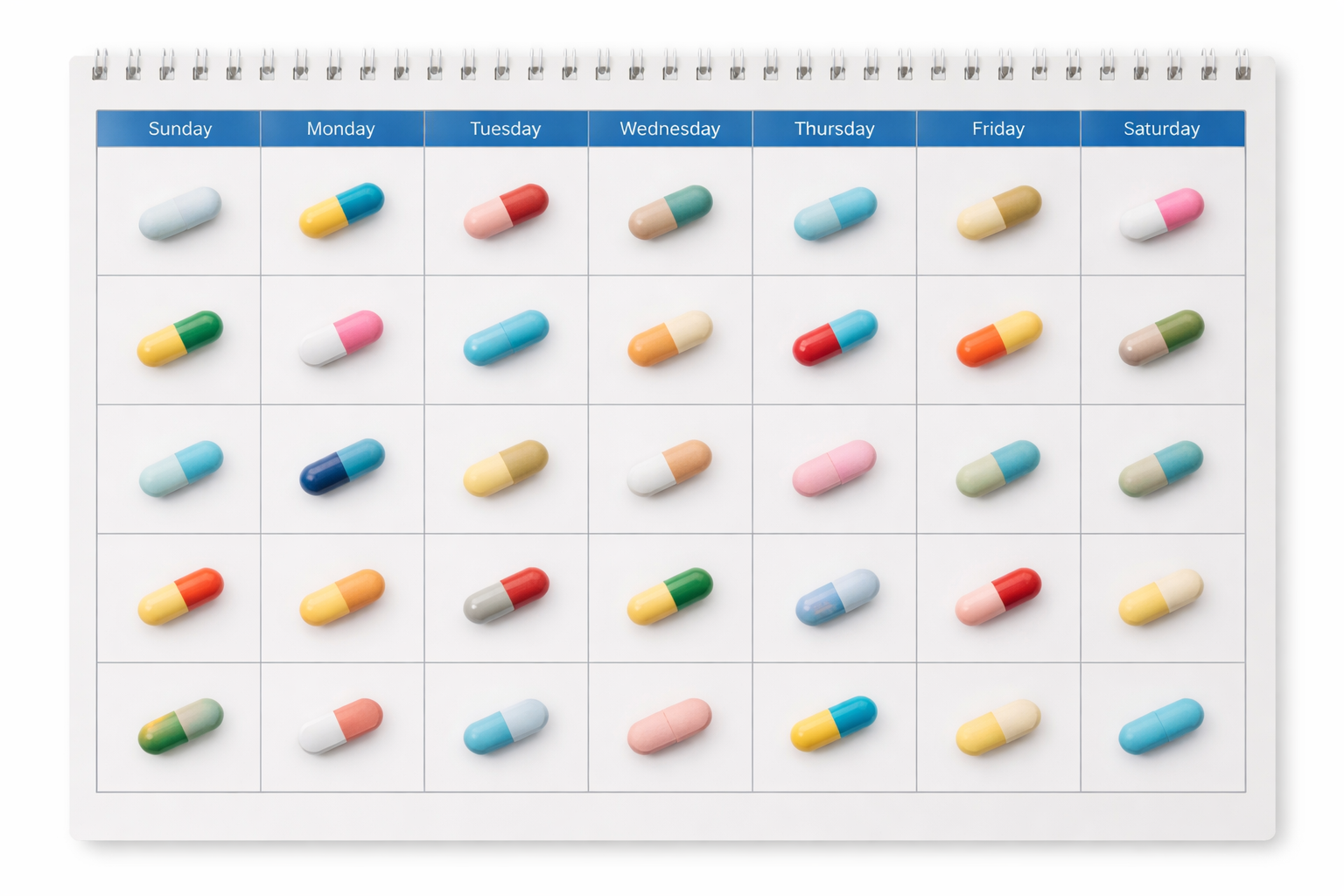
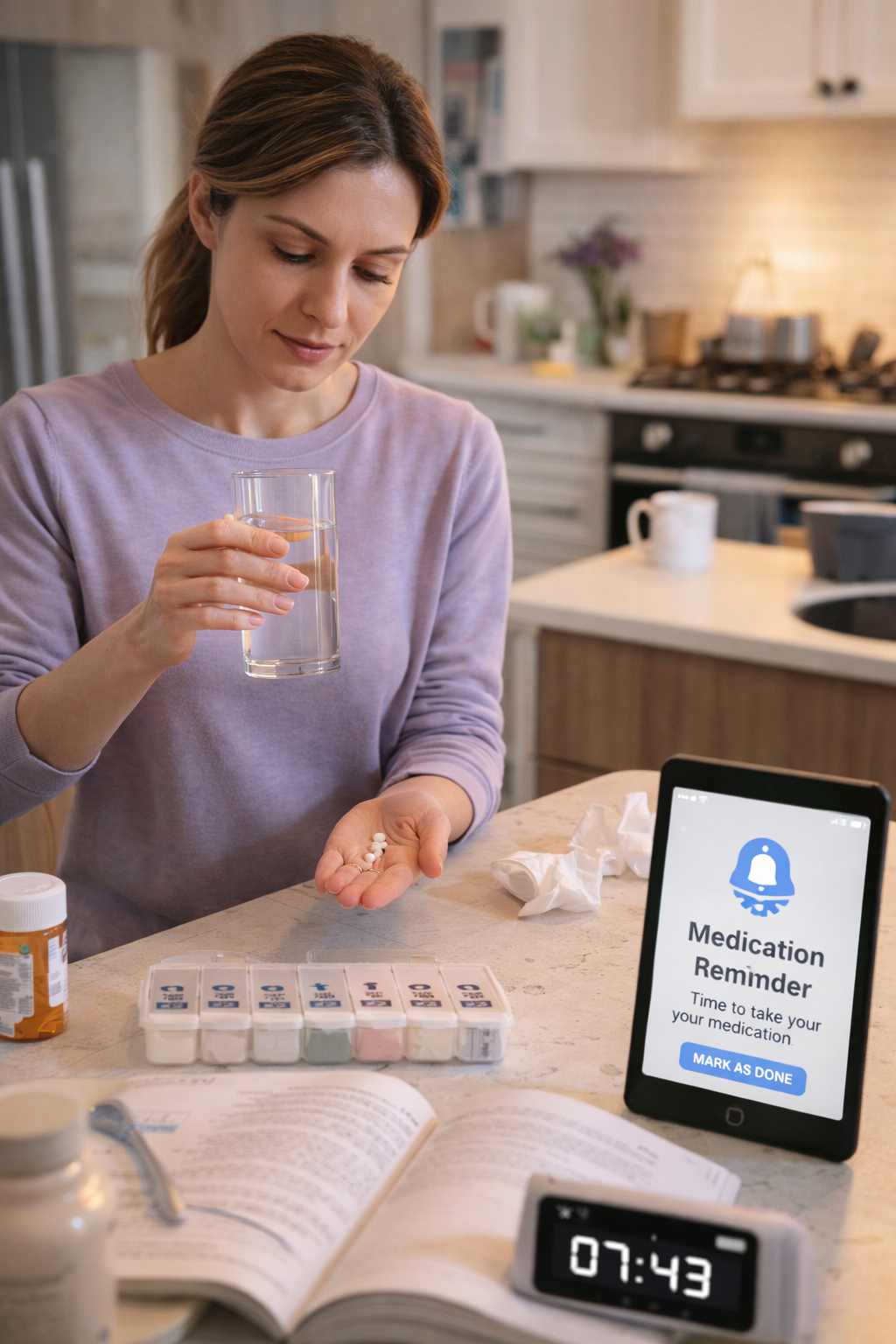
This is where medication reminders become game-changers. Simple systems like smartphone alarms, pill organizers with daily compartments, medication tracking apps, and calendar alerts can dramatically improve adherence rates. Research shows that patients who use reminder systems are up to 25% more likely to take their medications consistently. The key is finding a reminder method that fits seamlessly into your existing routine—whether that's a notification tied to your morning coffee, an alarm before bedtime, or a visual cue like leaving your medication bottle near your toothbrush.
Modern technology has made medication reminders more sophisticated and personalized than ever. Apps can track not just when you take your medication, but also monitor side effects, mood patterns, and symptom changes over time. Some systems even send alerts to caregivers or healthcare providers if doses are missed, creating an additional layer of support. The goal isn't to create more stress or complexity, but rather to build a supportive framework that makes taking medication feel like a natural, integrated part of your daily life.
Building Your Mental Health Routine: Practical Strategies That Work
Creating an effective mental health routine doesn't require perfection—it requires consistency and compassion. Start by identifying the non-negotiables: medication times, sleep schedule, and basic self-care activities. Build your routine around these anchors, then gradually add supportive practices like exercise, mindfulness, social connection, and creative activities. The most sustainable routines are those that feel manageable rather than overwhelming.
Medication timing deserves special attention. Work with your healthcare provider to determine the optimal times for taking your prescriptions based on their specific properties. Some medications work best in the morning to support daytime functioning, while others are more appropriate before bed to aid sleep or minimize daytime side effects. Once you've established ideal timing, link medication-taking to existing habits—this technique, called habit stacking, leverages established neural pathways to make new behaviors stick more easily.
Visual cues and environmental design can powerfully support routine adherence. Keep your medications in a consistent, visible location where you'll encounter them naturally during your daily activities. Use a seven-day pill organizer to prep your weekly medications in advance, making it immediately clear whether you've taken today's dose. Consider setting up a dedicated 'wellness station' that includes your medications, a water bottle, and any supplements or health tracking tools you use regularly.
Flexibility within structure is crucial for long-term success. Life inevitably brings disruptions—travel, schedule changes, illness, or unexpected events. Rather than viewing these as failures, prepare for them in advance. Keep a travel medication kit ready, set backup reminders on multiple devices, and develop contingency plans for common disruptions. The goal is progress, not perfection. If you miss a dose, follow your healthcare provider's guidance for what to do next, then return to your routine without self-judgment. Self-compassion is itself a critical component of mental health recovery.
Overcoming Cost Barriers: When Prescription Prices Disrupt Treatment Consistency
Even the most carefully crafted routine falls apart when prescription costs become prohibitive. Financial barriers represent one of the most significant—and often overlooked—obstacles to medication adherence in mental health treatment. Studies show that nearly one in four Americans have difficulty affording their prescriptions, and patients facing high medication costs are three times more likely to skip doses, split pills, or abandon treatment entirely.
The financial burden of mental health medications can be particularly challenging because these treatments typically require long-term, consistent use. Unlike a short course of antibiotics, psychiatric medications often need to be taken indefinitely to maintain stability and prevent relapse. When patients face copays of $50, $100, or even several hundred dollars per prescription—especially when taking multiple medications—the monthly cost can quickly become unsustainable, forcing impossible choices between medication and other essential needs.
Insurance coverage gaps compound the problem. High deductibles mean many patients pay full price for medications until they meet their annual deductible threshold. Formulary restrictions may require expensive brand-name medications when generic alternatives aren't covered, or demand time-consuming prior authorization processes. Some insurance plans impose step therapy requirements, forcing patients to try and fail on cheaper alternatives before accessing the medication their provider initially prescribed. For the uninsured or underinsured, the challenges are even more severe.
Price transparency—or rather, the lack of it—creates additional frustration. The same medication can vary dramatically in price between pharmacies, sometimes by hundreds of dollars, yet most patients have no easy way to compare costs before arriving at the pharmacy counter. This lack of visibility means many people pay far more than necessary simply because they don't know better options exist. The stress of navigating these financial barriers can itself worsen mental health symptoms, creating a vicious cycle where the very treatments meant to help become sources of additional anxiety and distress.
Empowering Your Mental Health Journey with Accessible Prescription Solutions
Breaking down cost barriers to mental health medications is central to improving treatment outcomes, and accessible solutions are making a real difference for individuals and families across the country. CompareMedsRx was created specifically to address the prescription affordability crisis by providing instant price transparency and access to the lowest available medication costs—completely free to use, with no membership fees or signup requirements.
The platform aggregates real-time pricing from over 20 discount card providers across more than 70,000 pharmacies nationwide, allowing you to compare prices and find the most affordable option in your area with just a few clicks. This means you can see exactly what your medication will cost at different pharmacies before you even leave home, empowering you to make informed decisions that fit your budget. For many mental health medications, the price differences between pharmacies and discount programs can be substantial—sometimes saving patients 50-80% or more compared to standard retail prices.
What makes CompareMedsRx particularly valuable for mental health treatment is that it works independently of insurance. Whether you have insurance with high deductibles, limited formulary coverage, or no insurance at all, you can access discount pricing that often beats insurance copays. This flexibility ensures that cost never has to be the reason you skip a dose or abandon treatment. The platform also automatically recommends generic alternatives when available, providing additional savings opportunities while maintaining therapeutic effectiveness.
The connection between prescription affordability and treatment adherence is clear: when medications are affordable, people take them consistently. When people take their mental health medications consistently, they experience better symptom management, fewer crises, improved functioning, and enhanced quality of life. CompareMedsRx removes the financial barrier that too often stands between individuals and the mental health treatment they need. By combining the power of routine, effective reminder systems, and accessible prescription pricing, you create the optimal conditions for mental health recovery and long-term wellness. Your mental health journey deserves support at every level—and affordable access to medication is a fundamental part of that foundation.