Cancer remains one of the leading causes of death in the United States, not because treatment has failed to advance, but because most cancers are still caught too late. The Galleri test, developed by GRAIL, is changing that conversation. As FDA approval advances and landmark clinical trial results continue to emerge, the Galleri multi-cancer early detection test is becoming one of the most talked-about tools in preventive health.
Here is everything you need to know.
What Is the Galleri Test?
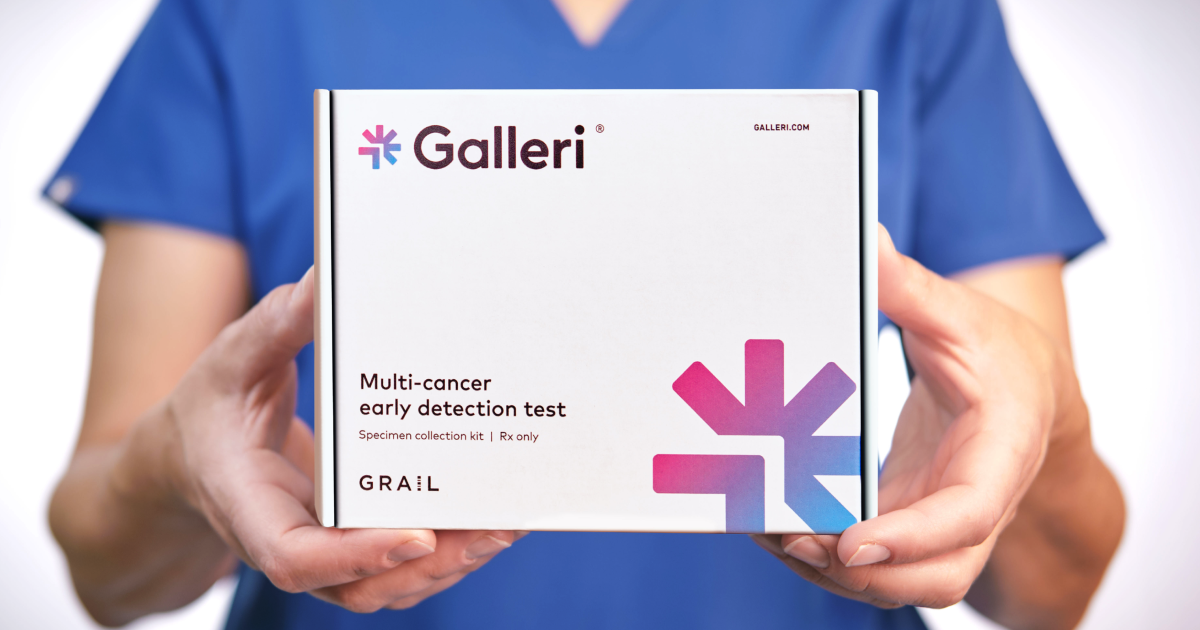
The Galleri test is a multi-cancer early detection (MCED) test that screens for a cancer signal shared by more than 50 types of cancer using a single blood draw. It works by analyzing cell-free DNA fragments shed by cancer cells into the bloodstream, looking for patterns of DNA alterations that indicate the presence of cancerous cells. When a signal is detected, the test can also identify where in the body the cancer signal is likely located.
It is currently available in the United States as a lab-developed test under CLIA regulations, meaning a doctor can order it today. GRAIL is actively pursuing full FDA approval, which would pave the way for broader insurance coverage including Medicare reimbursement starting in 2028.
Why Does Multi-Cancer Early Detection Matter?
Today, only five cancers have recommended screening tests in the United States: breast, colorectal, cervical, prostate, and lung. That leaves the vast majority of cancer types with no established screening pathway. Nearly 70% of cancer-related deaths are caused by cancers that have no recommended screening test today.
The MCED test category exists to close that gap. Rather than screening for one cancer at a time, a multi-cancer early detection test screens an individual for signals across dozens of cancer types simultaneously, including some of the deadliest and hardest to catch, like pancreatic, ovarian, esophageal, and liver cancers.
What Does the Research Say?
The largest clinical trial of the Galleri test to date, the NHS Galleri trial, enrolled more than 142,000 participants in the United Kingdom and recently published landmark results at the 2026 American Society of Clinical Oncology (ASCO) Annual Meeting.
Key findings included:
- The Galleri test detected cancer at a rate four times higher than standard screening alone
- After three years of annual testing, Stage IV cancer diagnoses decreased by 26% among a prespecified group of 12 cancer types
- Stage I and II cancer diagnoses increased by 16%, meaning more cancers were caught earlier when treatment is most effective
- The test reduced the number of cancers found through emergency presentation by 25%, which typically indicates more advanced disease
It is worth noting that the trial did not meet its primary endpoint of a statistically significant reduction in Stage III and IV diagnoses overall, and the test's sensitivity for very early Stage I cancers remains an area of ongoing research. The Galleri test is not a replacement for existing screenings and should be used alongside them, not instead of them.
What Cancers Does the Galleri Test Detect?
The Galleri test screens for signals associated with more than 50 cancer types. These include many cancers for which no standard screening currently exists, such as:
- Pancreatic cancer
- Ovarian cancer
- Liver cancer
- Esophageal cancer
- Gastric cancer
- Head and neck cancers
It also screens for cancer types that do have existing tests, providing an additional layer of detection alongside your current screenings.
Who Should Consider the Galleri Test?
The Galleri test is recommended for adults with an elevated risk for cancer, particularly those aged 50 and older. You may want to speak with your healthcare provider about the Galleri test if you have a family history of cancer, have been exposed to known environmental risk factors, or want to take a more proactive approach to your health beyond standard screenings.
It is not recommended for individuals who are pregnant, 21 years old or younger, or currently undergoing active cancer treatment.
How Much Does the Galleri Test Cost?
GRAIL currently sets the retail price for the Galleri test at $950. Most commercial health insurance plans do not cover the cost at this time, though that is expected to change as the FDA approval process progresses. If you have a Flexible Spending Account (FSA) or Health Savings Account (HSA), you may be able to use those funds to cover the cost. Full Medicare coverage is expected to begin in 2028.
How to Get the Galleri Test
The Galleri test requires a physician order and is completed through a simple blood draw at a participating lab. No fasting or special preparation is required.
CompareMedsRx has partnered with GRAIL to make access to the Galleri Multi-Cancer Early Detection Test easier. You can learn more, request your test, and find a lab near you at comparemedsrx.com/grail-multi-cancer-test.
The Bottom Line
The Galleri test represents a genuine shift in how we think about cancer screening. It is not a perfect tool — no screening test is — but for the millions of people at risk for cancers that have no other early detection option, it offers something that did not exist before: a proactive, accessible way to look for cancer before symptoms appear.
With FDA approval on the horizon and clinical evidence continuing to build, 2026 may be a turning point for multi-cancer early detection. The earlier you know, the sooner you can act.
The Galleri test should be used in addition to healthcare provider recommended screening tests and does not detect all cancers. False positive and false negative results do occur. Rx only. Results should be interpreted by a healthcare provider.





-1.png?width=1690&height=885&name=apppromo-email%20(1)-1.png)