
Your DNA could be the key to understanding why weight loss medications work differently for everyone. Discover how genetic variations influence your body's response to injectable treatments.
The Science Behind Genetic Variability in Weight Loss Treatment Response
Understanding why weight loss injections work differently for different people starts with recognizing that our bodies are incredibly unique at the molecular level. Your genetic makeup influences everything from how your body metabolizes medications to how your cells respond to hunger signals. Weight loss injections, including GLP-1 receptor agonists and other injectable treatments, don't operate in a vacuum, they interact with your body's existing genetic blueprint to produce results that can vary significantly from person to person.
Recent research has revealed that genetic variations affect multiple pathways involved in weight regulation, including appetite control, fat storage, energy expenditure, and insulin sensitivity. These genetic differences help explain why two people taking the same medication at the same dose can experience dramatically different outcomes. Some individuals may see rapid weight loss with minimal side effects, while others might struggle with tolerability or see more modest results. This isn't about willpower or adherence, it's about biology.
The field of pharmacogenomics has made tremendous strides in helping us understand these individual differences. Scientists have identified specific genetic variants that influence how quickly your liver breaks down medications, how efficiently your body absorbs them, and how strongly your cells respond to their signals. For weight loss treatments specifically, genetic factors can affect hormone receptor sensitivity, neurotransmitter function, and metabolic rate, all critical components of successful weight management. By understanding these genetic influences, we can move beyond the one-size-fits-all approach and toward truly personalized treatment strategies.
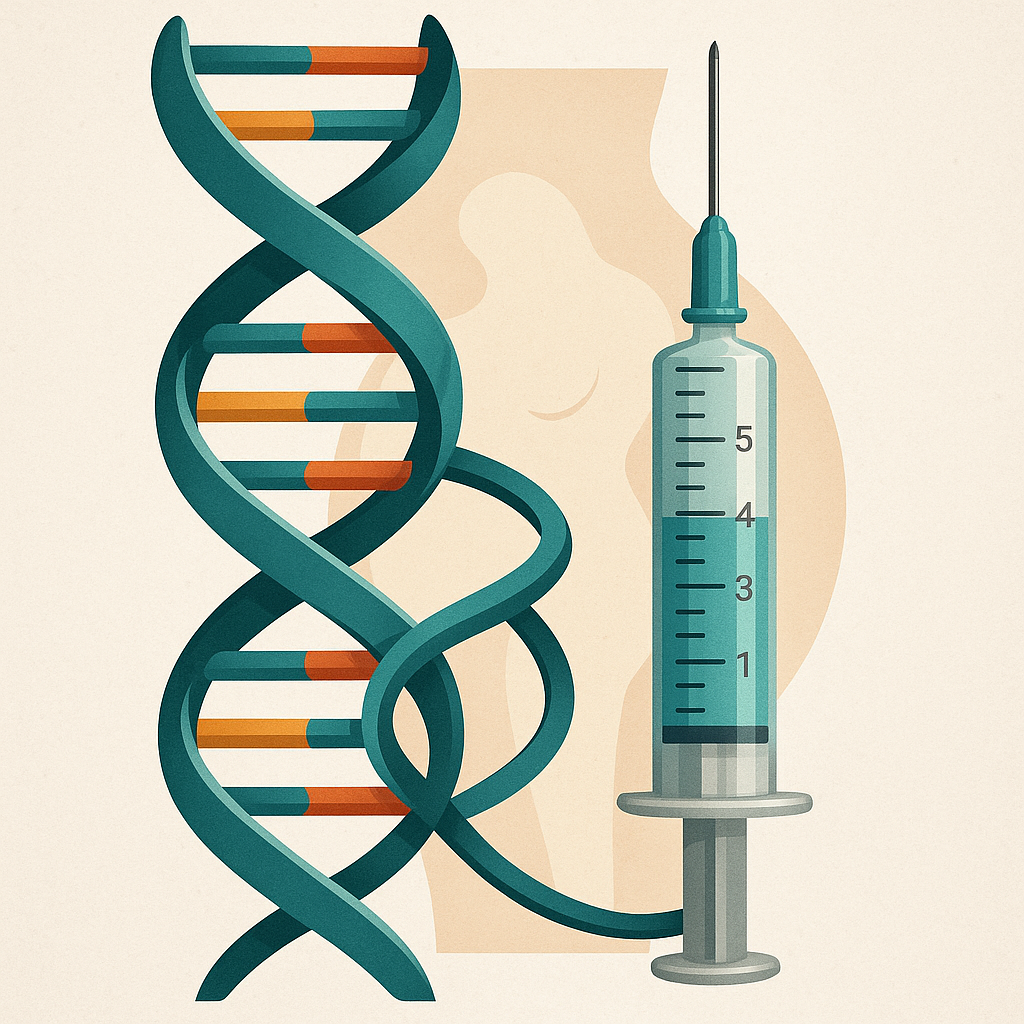 Key Genetic Markers That Influence Medication Metabolism and Effectiveness
Several specific genes have emerged as key players in determining how your body processes and responds to weight loss medications. The MC4R gene, which encodes the melanocortin-4 receptor, is one of the most well-studied genetic markers related to obesity and weight loss response. Variations in this gene can affect appetite regulation and energy balance, potentially influencing how well you respond to medications that target these pathways. People with certain MC4R variants may find that their bodies are more or less responsive to hunger-suppressing effects of injectable weight loss treatments.
Another critical genetic marker is the FTO gene, often called the 'obesity gene.' While this nickname oversimplifies its role, variations in FTO do influence body mass index and fat distribution. Research suggests that individuals with certain FTO variants may experience different rates of weight loss when using injectable medications. Additionally, genes in the cytochrome P450 family, particularly CYP2D6 and CYP3A4, play crucial roles in drug metabolism. These enzymes break down medications in your liver, and genetic variations can make you a 'fast metabolizer' or 'slow metabolizer,' directly impacting how long medications stay active in your system and how effective they are at therapeutic doses.
The DRD2 gene, which influences dopamine receptor function, also deserves attention. Dopamine plays a significant role in reward-seeking behavior and food cravings, and variations in dopamine receptor genes can affect how satisfied you feel after eating and how strongly you respond to food cues. For weight loss medications that influence brain chemistry and appetite regulation, these genetic variations can be particularly important. Other notable genetic markers include POMC (pro-opiomelanocortin), which affects appetite and metabolism, and genes related to GLP-1 receptor expression and function. Understanding your personal genetic profile across these markers can provide valuable insights into which medications are likely to work best for your unique biology.
Why Some People Experience Better Results Than Others
The stark differences in weight loss outcomes between individuals using the same injectable treatments often come down to a complex interplay of genetic, metabolic, and lifestyle factors. Genetic variations affect not just how medications are processed, but also your baseline metabolic rate, hormone production, fat cell behavior, and even gut microbiome composition. Two people with different genetic profiles may have fundamentally different setbacks, one person's body might resist releasing stored fat due to genetic factors affecting lipase enzyme activity, while another might struggle with medication side effects due to variations in drug transporter genes.
Beyond genetics, epigenetic factors, changes in gene expression influenced by environment, diet, stress, and sleep, add another layer of complexity. Your genes may predispose you to a certain response, but environmental factors can turn specific genes 'on' or 'off,' modifying your body's reaction to treatment. This explains why someone with seemingly favorable genetics might still struggle if they're dealing with chronic stress, poor sleep, or nutritional deficiencies that alter gene expression. Similarly, individuals with genetic variants associated with slower weight loss might still achieve excellent results when their treatment is paired with complementary lifestyle modifications that work with their genetic tendencies rather than against them.
The good news is that understanding these differences helps remove the stigma and self-blame many people feel when weight loss treatments don't work as expected. It's not a personal failure, it's biology. When you recognize that your genetic makeup influences medication response, you can approach weight loss more strategically. Rather than trying the same approach repeatedly and expecting different results, you can work with healthcare providers to explore alternative medications, adjust dosing strategies, or combine treatments in ways that account for your unique metabolic profile. This knowledge empowers you to make informed decisions about your weight loss journey and set realistic expectations based on your individual biology rather than generic statistics.
Personalized Medicine: Tailoring Weight Loss Strategies to Your Genetic Profile
Personalized medicine represents a fundamental shift in how we approach weight loss treatment. Instead of prescribing the same medication and dose to everyone, healthcare providers can now use genetic information to predict which treatments are most likely to work for your specific biology. Genetic testing for weight loss is becoming increasingly accessible, with tests that analyze genes related to metabolism, appetite regulation, fat storage, and medication response. These tests can provide actionable insights, such as whether you're likely to respond better to medications that target GLP-1 receptors versus those that work through different mechanisms, or whether you need adjusted dosing due to variations in drug metabolism genes.
A personalized approach extends beyond just medication selection. Your genetic profile can also inform dietary recommendations, exercise strategies, and behavioral interventions that complement your weight loss injections. For example, if genetic testing reveals that you have variants associated with lower satiety signals, your healthcare provider might recommend specific dietary patterns that promote fullness, such as higher protein intake or meal timing strategies. If you have genetic markers suggesting slower carbohydrate metabolism, a lower-carb approach might enhance your results when combined with injectable medications. This level of customization makes your entire weight loss strategy more efficient and sustainable.
The integration of genetic insights with weight loss treatment also helps manage expectations and improve adherence. When you understand that your genetics suggest a more gradual weight loss trajectory, you're less likely to become discouraged by comparing yourself to others with different genetic profiles. You can celebrate your progress relative to your own baseline rather than arbitrary benchmarks. Additionally, genetic information can help predict and manage side effects, allowing healthcare providers to proactively adjust treatment plans or provide supportive interventions. As personalized medicine continues to evolve, we're moving toward a future where weight loss treatments are precisely tailored to your DNA, maximizing effectiveness while minimizing trial-and-error approaches that can be frustrating and costly.
Making Weight Loss Medications More Affordable While Understanding Your Unique Response
One of the biggest barriers to accessing weight loss injections isn't just understanding your genetic response, it's the cost. These medications can be prohibitively expensive, with monthly costs often exceeding hundreds or even thousands of dollars. However, understanding that genetic factors influence medication response can actually help you make smarter financial decisions about your weight loss treatment. By identifying which medications are most likely to work for your genetic profile before you start, you can avoid spending money on treatments that are less likely to be effective for your specific biology. This targeted approach can save you significant costs associated with trial-and-error prescribing.
Fortunately, there are strategies to reduce the financial burden of weight loss medications while still pursuing personalized treatment. Price comparison tools can help you find the lowest available prices at pharmacies in your area, and many prescription discount programs aggregate multiple discount card providers to ensure you're getting the best deal. These resources work with or without insurance and can significantly reduce out-of-pocket costs for both name-brand and generic weight loss medications. Some platforms even offer home delivery options that may provide additional savings compared to retail pharmacies. By combining genetic insights with smart prescription shopping, you can create a cost-effective, personalized weight loss strategy.
It's also worth exploring whether your employer offers prescription savings as a supplemental benefit. Many employers, PEOs, and benefit platforms now provide plug-and-play prescription savings tools that can be implemented at zero cost to the organization while delivering real savings to employees. These programs typically require no membership fees and work alongside existing insurance plans, giving you access to competitive pricing across tens of thousands of pharmacies nationwide. If you're self-employed or your employer doesn't offer such benefits, free prescription comparison platforms can still help you access discount programs without signup requirements or membership fees. The key is to be proactive, research your options, compare prices, and don't assume the first price you're quoted is the best available. When you combine personalized medical insights from genetic testing with strategic prescription savings approaches, you create a powerful framework for achieving sustainable weight loss without breaking the bank.